
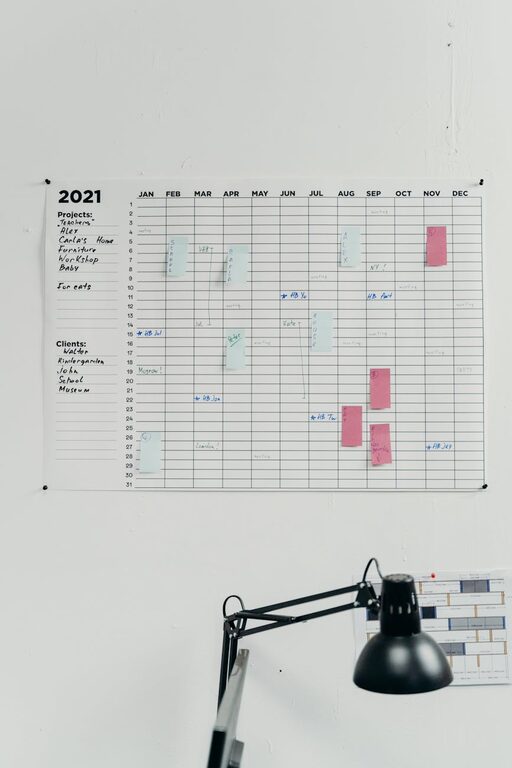
Creating a family command center is a fantastic way to bring order and clarity to the busy life of any household. Whether you’re managing school schedules, meal planning, or household chores, a central hub can help keep everyone on the same page. In this post, we’ll guide you step-by-step on how to set up a family command center that’s both functional and tailored to your family’s needs.
What Is a Family Command Center?
A family command center is a designated space in your home—a wall, corner, or even a door—where important family information and tools are organized and easily accessible. It acts as a central communication point for daily schedules, reminders, important documents, and tasks.
Benefits of a Family Command Center
– Improved communication: Everyone knows what’s happening and when.
– Reduced stress: No more searching for lost notes or last-minute reminders.
– Better time management: Keeps track of appointments, deadlines, and events.
– Encourages responsibility: Helps kids stay mindful of chores and schedules.
– Personalized organization: Tailored to the unique needs of your family.
—
Step 1: Choose the Perfect Location
Think about where your family naturally comes together. Common locations include:
– Kitchen wall or pantry door
– Entryway or mudroom
– Near the family calendar or phone charging station
Ensure the location is visible yet not in a high-traffic spot where things might get constantly disturbed.
—
Step 2: Gather Your Supplies
Collect the materials and tools you’ll need based on the size and style of your command center:
– Corkboard, magnetic board, or chalkboard
– Dry-erase whiteboard or calendar
– Clipboards or file organizers
– Hooks or small baskets for keys and mail
– Pens, markers, and note pads
– Labels or decorative tags for organization
Consider adding personal touches such as family photos or inspiring quotes to make it inviting.
—
Step 3: Decide What to Include
The best command centers include essentials that serve your family’s daily routines. Here are common elements:
Calendar
A monthly or weekly calendar is key. Choose a format everyone can easily understand and update.
To-Do Lists and Chore Charts
Keep track of household chores and responsibilities. Laminated charts with dry-erase markers can be reused weekly.
Meal Planner
Plan meals for the week, track grocery needs, and reduce last-minute scrambling.
Important Documents
Designate a spot for permission slips, bills, schedules, or coupons.
Reminder Notes
Sticky notes or a small bulletin area for quick messages or reminders to family members.
Key and Mail Organizer
Hooks for keys and baskets or slots for incoming and outgoing mail help avoid clutter.
—
Step 4: Organize and Arrange
Arrange items to maximize ease of use:
– Place the calendar centrally for quick reference.
– Position chore charts and to-do lists near eye level for kids.
– Use labeled baskets or folders for mail and documents.
– Set up a small rack or magnet area for keys.
– Keep markers and pens in a cup or holder nearby.
Remember to keep the space tidy to maintain its effectiveness.
—
Step 5: Involve the Family
Involve everyone in the planning and maintenance of the command center. Encourage kids to update chore charts or mark off completed tasks. Make it a weekly habit to review schedules and plans together.
—
Step 6: Customize and Update Regularly
Your family’s needs may change, so make sure to periodically adjust the system. Add new sections or remove ones that are no longer useful. Keeping it fresh helps ensure continued engagement and usefulness.
—
Bonus Tips for Success
– Use color coding: Assign different colors for family members or types of activities.
– Keep it simple: Avoid overcrowding the space with too many elements.
– Digital backup: Use apps or shared calendars to complement your physical board.
– Celebrate achievements: Use the command center to recognize completed goals or milestones.
—
Final Thoughts
Setting up a family command center is a practical step toward improving organization and communication at home. By creating a clear, accessible center for schedules and priorities, you help reduce stress and empower every family member. Start small and build on your system until it perfectly fits your household’s way of life.
Remember, the key is consistency and involvement. With your family working together, your command center can become the heart of your home’s organization. Happy organizing!